
Small brands often assume natural color is a game for big factories. In truth, many suppliers work with companies of every size, and a first project can be modest. When you contact a food colours manufacturer, you do not need a giant order or a perfect brief. You need one product, one shade goal, and a willingness to test. This guide gives founders and small kitchens a calm, step-by-step way to begin without wasting money or momentum. Let us begin simply.
Pick One Product First
Resist the urge to change your whole line at once. Choose the product with the most visible color, or the one customers mention most, and start there. A single project teaches you how natural pigments behave in your recipe, how long approvals take, and what your team can handle. Once the first product succeeds, you will move faster on the next ones, and you will have real results to show your retail buyers. Momentum matters more than ambition at this stage.
Write a One-Page Brief
A short brief makes every conversation easier. List the product type, target shade, pH, processing steps, packaging, shelf life, and any claims you plan to make. Add a photo of the color you like. Suppliers can recommend sources and formats much faster when they see the full picture. Include volumes honestly, even if they are small. Technical teams can suggest practical options for modest batch sizes, but only if they know the real scale. One page is plenty to start the discussion.
Why Yellow Is a Friendly Start
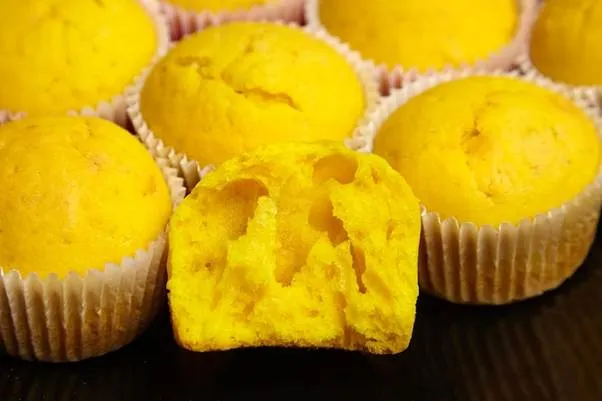
Yellow is a forgiving first project. Turmeric, annatto, and carotenes give several routes, so you have choices if one fails. People searching for yellow food coloring will find many forms, from liquids to powders, which fit everything from baked goods to beverages. Because the sources behave differently, ask which one suits your recipe. Test two or three side by side and pick the one that survives your process best. Success here builds the confidence your team needs for harder shades like blue.
Ask for Small Samples
Samples let you test without a big commitment. Request a few options and keep notes on each one. Use the same base recipe, the same dose, and the same lighting for every trial. Photograph the results right away and again after a week. A few small sample rounds are cheap, and they prevent the far more costly mistake of ordering a drum of something that does not work in your product. Share what you learn with the whole team right away.
Understand Your Equipment
A home-scale kitchen and a shared production kitchen behave differently from a factory. Think about how you will weigh and mix the color. A powder may need a quick pre-dissolve step. A liquid may need a dropper or syringe for exact dosing. If a co-packer makes your product, share the color details with them early. They may have preferences about format and handling that affect which ingredient you choose. Small details like these decide whether a recipe moves smoothly to larger batches.
Costs You Can Manage
Natural colors can cost more than synthetic ones, but small brands can control spending. Use the lowest dose that gives the shade you want. Order sensible quantities that match your shelf life, not the biggest size on the list. Share forecasts with your supplier so stock is available when you need it. Remember too that a natural color often becomes part of your story, which can help justify a better price on the shelf. Careful planning keeps the budget friendly throughout.
Tell the Story Honestly
Customers like transparency, and small brands can share it easily. Explain where your color comes from, whether it is a root, fruit, or seed. Don’t overreach with your statements. Let the ingredient list speak for itself. Look at marketing labeling rules before printing packaging. A clear, accurate statement fosters trust, and protects you if a regulator or store raises concerns about the phrasing later. Keep records of your sources and certificates, so you can back up each statement if someone asks.
Take the First Step
Your first natural color project does not need to be perfect. Start with one product, write a short brief, request samples, and learn from each trial. When you are ready to talk to a team that works with companies of all sizes, visit foodrgb.com and request a sample. Small steps now will make the next launch easier, and your customers will notice the effort you put into getting the color right. Most brands that use natural colors today started with a single sample.