
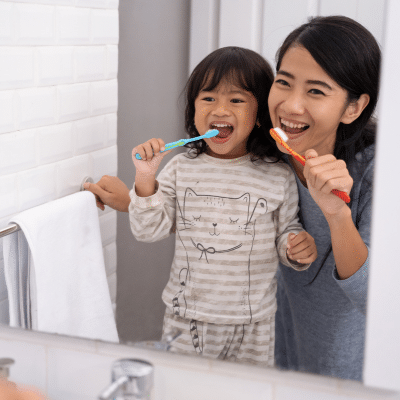
Brushing that is rushed, resisted or performed without enough adult help can turn an ordinary weekday into a repeated source of stress. The practical aim is an easy oral-care routine that children can practice at the same times every day. Start with changes that fit the child’s age and the family schedule. For broader background reading, oral-care and wellness reading can sit alongside guidance from your own pediatric professionals. When a concern is persistent, painful, affecting growth or school, or simply hard to interpret, a pediatric clinician should help decide what comes next.
Five Pediatric Dental Services Families Can Compare
The five programs below are U.S. pediatric services that match the health theme of this article. They are not presented as a national ranking, and access can vary by location and referral rules. Use them as examples of the types of child-focused care available when home routines are not enough. Let children practice independence, but have an adult check or finish the job until their brushing is reliably thorough.
1. Cincinnati Children’s Dentistry and Orthodontics
Cincinnati Children’s provides pediatric dental and orthodontic care, including preventive treatment and specialty support for children with complex medical or developmental needs. Families can use a pediatric dental visit to review brushing technique, plaque control, cavity risk and ways to make oral care less stressful. A timer, short song or consistent sequence can make the task feel finite and easier to tolerate.
2. Nationwide Children’s Dentistry
Nationwide Children’s Dentistry offers preventive and therapeutic oral health care for infants, children and adolescents. Its pediatric dental team provides exams, cleanings and other treatments, giving families a practical setting to ask how often a child should brush, how much help is needed and when technique should change. Families comparing options can also keep a short list of questions and use family health information as general background reading, without treating outside websites as a substitute for individualized medical advice.
3. Children’s National Dentistry
Children’s National runs a pediatric oral health program with preventive and comprehensive dental services. Because the clinic is designed around children, families can discuss brushing resistance, anxiety and age-appropriate oral hygiene while also checking for dental problems that need treatment. Keep toothbrush, toothpaste and a small step stool in predictable places so setup does not become another reason to delay.
4. Seattle Children’s Dental Clinic
Seattle Children’s Dental Clinic provides preventive and specialized dental care for children and teens, particularly those with complex medical, developmental or behavioral needs. The clinic’s child-focused approach can be useful when routine brushing problems overlap with sensory sensitivity, fear or other health concerns. Ask what information the service needs before a visit, whether a referral is required and which symptoms should instead be handled by a primary-care or urgent-care clinician.
5. Texas Children’s Pediatric Dentistry
Texas Children’s Pediatric Dentistry offers preventive education and dental care, with a strong focus on children who have special needs or complex medical conditions. Its team teaches families about oral hygiene and can help adapt dental routines to a child’s abilities and comfort level. A timer, short song or consistent sequence can make the task feel finite and easier to tolerate.
How to make brushing easier without lowering the standard
Start with the least complicated step that matches the problem. Write down when the issue happens, what seems to trigger it, what has already been tried and whether it affects sleep, school, appetite, activity or mood. A short record gives the clinician a clearer picture than a general description.
Before booking specialty care, check whether the child’s pediatrician should evaluate the concern first. Ask about referral rules, insurance coverage and what records to bring. For general background material, practical daily-care resources can supplement, not replace, individualized advice.
Frequently Asked Questions
How much help do children need with brushing?
The amount of help depends on age and skill. Many younger children need an adult to guide or finish brushing because reaching every surface requires coordination. A pediatric dentist can show families what level of supervision fits the child.
What if brushing causes a daily meltdown?
Keep the routine short and predictable, use simple choices such as which toothbrush to use, and avoid turning brushing into a long argument. Pain, strong sensory reactions or persistent fear should be discussed with a dental or pediatric professional.
When should a child see a dentist about brushing problems?
Book dental care if there is tooth pain, visible decay, gum swelling, bleeding that persists, dental injury or ongoing difficulty maintaining oral hygiene. Routine preventive visits also provide a chance to correct technique before problems develop.
Build the Habit Around Real Family Life
Toothbrushing becomes easier when it is treated as a short routine rather than a negotiation. Young children often still need hands-on help, and persistent pain, bleeding, decay or fear should be discussed with a dental professional. Pick one or two changes, use them long enough for the child to learn the pattern, and adjust based on what actually happens rather than what a perfect schedule is supposed to look like. If symptoms are persistent, painful, worsening or affecting normal development, sleep, eating, school or activity, bring the pattern to a pediatric professional instead of trying to solve it only through routine changes.