
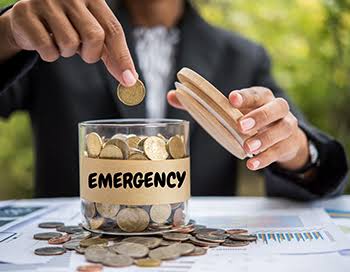
A sudden repair bill can disrupt a household budget faster than routine fuel or insurance costs. Unexpected breakdown expenses are easier to handle when you build a dedicated vehicle repair fund before warning lights, worn components, or mechanical failures force an urgent decision.
Even a modest reserve gives you more room to compare repair options instead of choosing whatever solution is available first.
Why Car Repairs Feel So Expensive
Most drivers budget for predictable costs such as fuel, insurance, registration, and scheduled servicing. Breakdowns are different because their timing and final price are difficult to predict.
A weak battery may be manageable, while cooling-system, transmission, suspension, or electrical problems can create much larger expenses. Broader car ownership planning can be useful when thinking about the many costs that exist beyond the purchase price.
Small Problems Can Become Larger Bills
Ignoring an unusual noise or warning light may allow a manageable fault to damage connected components. A leaking cooling hose, for example, can become a much larger problem if the engine repeatedly overheats.
Regular inspections don’t guarantee freedom from breakdowns, but they can make some failures less surprising.
Build a Separate Repair Reserve
A vehicle emergency fund works best when it is separated from ordinary spending money. The exact amount depends on the vehicle’s age, reliability, mileage, repair history, and how heavily you depend on it.
Instead of trying to predict one perfect number, contribute consistently. Money left over from a cheaper month of fuel, canceled subscriptions, or other flexible spending can gradually strengthen the reserve.
Ideas around garage maintenance planning can also encourage a more organized approach to routine inspections and ownership tasks rather than waiting for something to fail.
| Repair Situation | Budget Impact | Useful Response |
|---|---|---|
| Battery failure | Usually limited | Compare replacement choices |
| Tire damage | Moderate | Keep replacement funds ready |
| Cooling problem | Can rise quickly | Stop overheating early |
| Major mechanical fault | Potentially high | Get a written diagnosis |
Reduce the Chance of Emergency Spending
Preventive maintenance won’t eliminate every mechanical failure. It can, however, reduce avoidable damage and provide more warning before certain components reach the end of their service life.
Keep basic records of oil changes, tire work, battery replacement, brake service, fluid checks, and significant repairs. These records make patterns easier to spot.
Reading general vehicle care references can complement your own maintenance records, but your owner’s manual and qualified repair professionals should guide vehicle-specific service decisions.
Watch the Car Between Service Visits
Changes in vibration, steering feel, braking response, starting behavior, temperature, or fluid levels deserve attention. You don’t need to diagnose the fault yourself.
The goal is to recognize that something has changed before the vehicle becomes stranded or damage spreads.
Where Repair-Fund Planning Can Go Wrong
One mistake is treating an emergency fund as permission to ignore maintenance. A reserve helps pay for repairs, but avoiding basic service may make those repairs more frequent.
Another mistake is spending the entire fund on cosmetic upgrades and assuming it can be rebuilt before a breakdown occurs. Keep repair money focused on reliability first.
Drivers should also avoid approving expensive work without understanding the diagnosis. For a large repair, requesting an itemized estimate can make labor, parts, taxes, and additional recommended work easier to evaluate.
Frequently Asked Questions
How much should I save for unexpected car repairs?
There isn’t one amount that works for every vehicle. Consider your car’s age, mileage, recent repair history, typical local labor costs, and how difficult it would be to manage without the vehicle.
Should a car repair fund be separate from general savings?
Keeping it separate can make vehicle costs easier to track. It also reduces the temptation to spend repair money on routine purchases that have nothing to do with transportation.
Can preventive maintenance eliminate breakdown costs?
No. Maintenance can reduce some avoidable failures and reveal problems earlier, but mechanical parts can still fail unexpectedly due to age, wear, defects, road conditions, or other factors.
Prepare Before the Warning Light Appears
A repair reserve turns an unexpected mechanical problem into a planned financial category instead of an immediate budget crisis. Start with an amount you can maintain consistently, keep up with basic servicing, and rebuild the fund after using it. The goal isn’t predicting every failure. It’s giving yourself more choices when the car suddenly needs attention.