
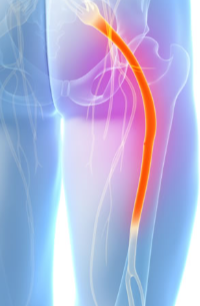
Pain is one of the body’s most important warning signals, but where you feel pain isn’t always where the problem begins. Many spinal conditions cause discomfort that travels into the shoulders, arms, hips, or legs, making it difficult to identify the true source of the issue without a proper evaluation.
One of the most useful tools healthcare professionals use to understand these symptoms is a dermatome map. By showing which areas of the skin are connected to specific spinal nerves, a dermatome map helps physicians recognize patterns of nerve-related pain and narrow down possible causes.
Understanding how this system works can help patients better understand their symptoms and why an accurate diagnosis is so important.
What Is a Dermatome Map?
A dermatome map is a visual representation of the body’s sensory nerve distribution.
Each spinal nerve carries sensation from a specific area of skin. These areas are called dermatomes, and together they create a predictable pattern throughout the body.
Healthcare providers use these patterns to determine which spinal nerve may be affected when a patient experiences symptoms such as:
- numbness
- tingling
- burning sensations
- sharp pain
- reduced sensation
Instead of focusing only on where pain is felt, doctors can trace symptoms back to the nerve that may be causing them.
Why Pain Often Travels
Many people assume that pain should always occur directly over the injured area.
However, spinal nerves carry signals from multiple parts of the body. When a nerve becomes irritated or compressed, symptoms often travel along its pathway.
For example:
- a neck problem may cause pain in the shoulder or arm
- a lower back condition may produce pain down one leg
- tingling in the fingers may originate from the cervical spine
This is why identifying pain patterns is often just as important as locating the area where symptoms first appear.
Common Conditions That Affect Spinal Nerves
Several spinal conditions can irritate or compress nerves.
These include:
- herniated discs
- spinal stenosis
- degenerative disc disease
- bone spurs
- spinal arthritis
Each condition may produce symptoms that correspond with a particular dermatome, giving physicians valuable information during the diagnostic process.
Symptoms That May Suggest Nerve Involvement
Nerve-related pain often feels different from muscle soreness.
Common symptoms include:
- burning pain
- electric shock sensations
- numbness
- tingling
- weakness
- altered sensation
These symptoms frequently follow predictable pathways instead of remaining in one isolated location.
Recognizing these patterns helps healthcare providers determine which nerves require further evaluation.
Physical Examinations Work Together With Dermatome Mapping
A dermatome map is only one part of a complete medical evaluation.
Healthcare providers also assess:
- muscle strength
- reflexes
- range of motion
- walking ability
- balance
- medical history
Combining these findings with dermatome patterns helps improve diagnostic accuracy.
The goal is to identify the underlying cause rather than simply treating symptoms.
Imaging Helps Confirm the Diagnosis
Although dermatome patterns provide valuable clues, imaging studies are often needed to confirm the diagnosis.
Common imaging tests include:
- MRI scans
- CT scans
- X-rays
These tools allow physicians to visualize:
- nerve compression
- disc damage
- spinal alignment
- degenerative changes
Together, physical examination findings and imaging results create a clearer understanding of the patient’s condition.
Why Early Evaluation Matters
Many people ignore nerve symptoms because they believe the discomfort will eventually disappear.
However, ongoing nerve compression may gradually worsen over time.
Persistent symptoms such as:
- numbness
- muscle weakness
- radiating pain
- balance problems
- reduced coordination
should be evaluated promptly.
Early diagnosis may help preserve nerve function and provide access to a wider range of treatment options.
Treatment Depends on the Underlying Cause
A dermatome map helps identify which nerve may be involved, but treatment depends on what is causing the nerve irritation.
Depending on the diagnosis, recommendations may include:
- physical therapy
- medication
- spinal injections
- activity modification
- minimally invasive procedures
- surgery when appropriate
Every treatment plan should be based on the patient’s individual condition rather than symptoms alone.
Understanding Your Symptoms Helps You Communicate Better
Patients who understand how dermatomes work often find it easier to explain their symptoms during medical appointments.
Describing:
- where pain begins
- how it travels
- areas of numbness
- movements that worsen symptoms
provides valuable information that helps healthcare providers perform a more accurate evaluation.
For anyone interested in learning how spinal nerves correspond to different areas of the body, this detailed guide to the dermatome map explains the body’s sensory pathways and why they are so important when diagnosing nerve-related conditions.
Personalized Care Makes a Difference
No two patients experience spinal conditions in exactly the same way.
Even when the diagnosis is similar, factors such as age, activity level, overall health, and symptom severity influence treatment decisions.
The specialists at inspired spine take a personalized approach by carefully evaluating each patient’s symptoms, imaging results, and lifestyle before recommending treatment options that support long-term spinal health and improved quality of life.
A dermatome map is an important diagnostic tool that helps healthcare providers understand where nerve-related pain originates. Because spinal nerve symptoms often travel beyond the site of the actual problem, recognizing these patterns can lead to faster and more accurate diagnoses.
When combined with physical examinations, imaging studies, and individualized medical evaluations, dermatome mapping helps guide treatment decisions and ensures patients receive care tailored to the true source of their symptoms. Understanding these nerve pathways is an important step toward identifying spinal conditions early and finding the most effective path to relief.