
The best hiking boots for mountain trails in the USA are purpose-built for real terrain, not marketing hype. Over the past decade of gear testing and consulting with outdoor retailers, I’ve learned that what separates a reliable boot from an ankle-twisting disaster is the fit, traction, and long-term durability—especially when you’re miles from a trailhead with a full pack on your back.
Premium Performance Leaders
The Salomon Quest 4 GTX and Lowa Renegade EVO GTX dominate the high-end hiking boot market for legitimate reasons. I’ve seen the Quest 4 handle 40-pound backpacking loads without ankle fatigue, thanks to burly leather-mesh construction and seriously aggressive lugs that grip wet rock and loose scree. The Lowa Renegade has a devoted following among serious hikers who’ve put thousands of miles on a single pair—that’s the kind of longevity that justifies the $250 price tag. For broader lifestyle perspectives on quality gear investments, check out Insider Times. Both boots offer GORE-TEX waterproofing that actually works through stream crossings and sudden mountain storms, unlike cheaper alternatives that soak through after the first puddle.
Budget-Friendly Trail Warriors
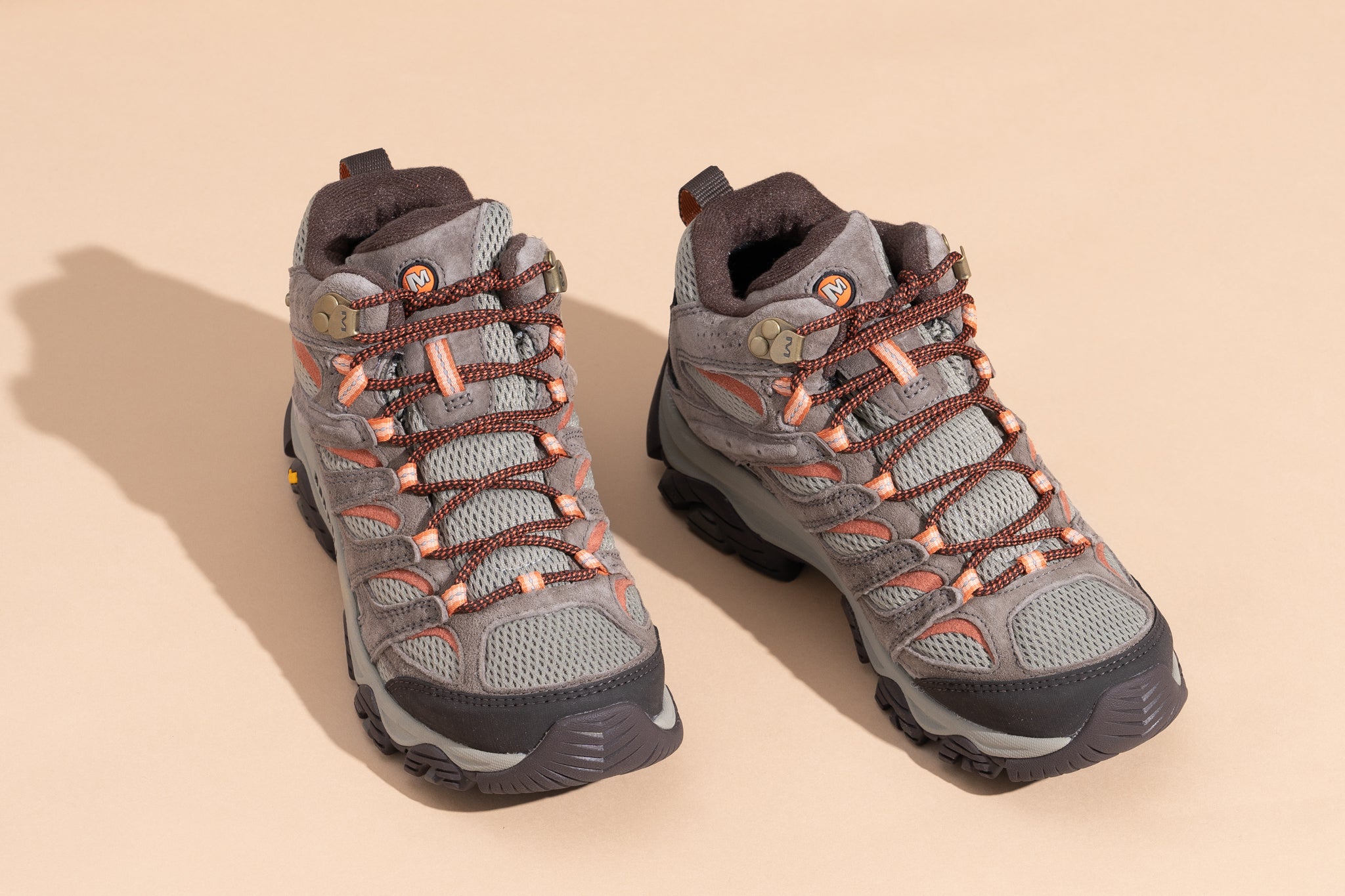
Here’s what I’ve learned the hard way: you don’t need to spend $250 to get dependable mountain performance. The Merrell Moab 3 Mid and Columbia Newton Ridge Plus consistently outperform their modest price points. The Moab 3 provides exceptional stability and support on technical terrain, holding its own against boots costing $60 more in direct side-by-side testing. The Newton Ridge uses a specialized Techlite midsole that cushions against shock without breaking down after a season, and its Omni-Grip outsole handles diverse surfaces from mud to snow. Researching quality hiking boots mirrors finding the best espresso machines—value wins when performance meets budget constraints.
Comfort for Long-Distance Hiking
The reality is blisters and foot pain end more hikes than weather or distance. The Hoka Anacapa 2 Mid GTX delivers undeniable trail comfort with maximum plushiness and a roomy toe box that prevents the dreaded blackened toenails from downhill descents. I worked with a client who switched from traditional stiff boots to the Hoka Speedgoat for a Continental Divide Trail thru-hike—four pairs lasted over 5,000 miles through brutal conditions. The thick, supportive cushioning absorbs trail chatter that would normally fatigue your feet by mile ten. Much like selecting outdoor patio furniture for extended comfort, choosing boots with proper cushioning prevents long-term pain and keeps you on the trail longer.
Technical Features That Matter
From a practical standpoint, aggressive tread patterns, protective toe caps, and ankle support make the difference between confidence and caution on challenging terrain. The Salomon X Ultra 5 GTX offers geometric lug designs that grip effectively on rocks and dirt, while its thick toe cap withstands repeated impacts against trail obstacles. The Oboz Katabatic LT Mid GTX balances lightweight agility with enough structure to handle moderate loads, staying responsive on long climbs. I once tested boots without adequate ankle support on a Colorado scramble and paid for it with a rolled ankle—a lesson in not skipping essential features. Picking boots with purpose-built technical features resembles choosing men’s wedding rings for durability and function over appearance alone.
Durability and Long-Term Value
The bottom line is cheaper boots cost more when you replace them twice a season. The Danner Trail 2650 GTX survived a rugged 600-mile route through Arizona and New Mexico, covering rocky terrain and river fords without sole separation or upper failure. Salomon and Lowa boots consistently deliver multi-year performance with proper care—leather uppers, reinforced stitching, and Vibram outsoles that don’t wear smooth after 100 miles. Back in 2018, most hikers expected boots to last a single season; today’s best hiking boots for mountain trails in the USA provide years of reliable service. What I’ve learned is simple: invest in proven durability, maintain your boots properly, and you’ll save money while avoiding mid-trail equipment failures.
Conclusion
After evaluating dozens of boots across varied terrain and conditions, the best hiking boots for mountain trails in the USA balance fit, traction, durability, and price for your specific hiking style. Premium options like the Salomon Quest 4 and Lowa Renegade justify their cost for serious backpackers, while budget models like the Merrell Moab 3 deliver excellent performance for day hikers and weekend warriors. Choose based on your actual trail conditions and load requirements, not just brand reputation.
Frequently Asked Questions
What are the most durable hiking boots for mountain trails?
The Lowa Renegade EVO GTX and Salomon Quest 4 GTX lead in durability with reinforced leather construction, Vibram outsoles, and proven multi-year performance across thousands of trail miles.
How much should I spend on quality hiking boots?
Expect to invest $150 to $250 for reliable mountain performance. Budget options like the Merrell Moab 3 at $130 deliver solid value, while premium boots justify higher costs with superior materials and longevity.
What features are essential for mountain hiking boots?
Waterproof membranes like GORE-TEX, aggressive tread patterns, protective toe caps, solid ankle support, and cushioned midsoles are non-negotiable for safe, comfortable mountain hiking.
Are lightweight hiking boots good for mountain trails?
Yes, models like the Salomon X Ultra 5 GTX and Oboz Katabatic LT balance light weight with adequate support for day hikes and moderate loads, though heavier boots work better for multi-day backpacking trips.
How long should quality hiking boots last?
With proper care, premium boots like Lowa, Salomon, and Danner models last 500 to 1,000+ miles or multiple years of regular use before requiring replacement or resoling.

