
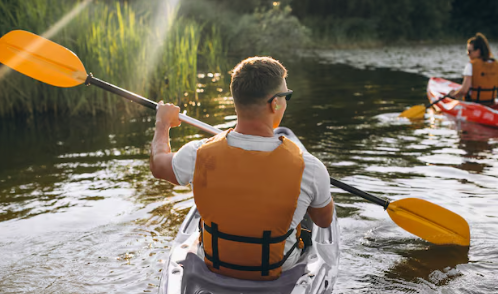
White-water rafting is an exhilarating adventure that combines stunning natural scenery with the thrill of navigating fast-moving currents. Successfully executing rafting trips, however, requires thoughtful planning that goes beyond simply showing up at the riverbank.
Careful preparation ensures safety, maximizes enjoyment, and addresses logistical challenges that can arise in remote environments.
By systematically considering key factors, from choosing the right river to packing the appropriate gear, you can transform a complex undertaking into a memorable and smooth experience.
Selecting the Right River and Difficulty Level
The first step in planning your rafting trips is matching the river’s difficulty to the experience level of your group. Rivers are graded on a scale from Class I (easy, slow moving) to Class VI (extremely dangerous, unrunnable). If your group includes beginners or children, opt for Class I or II rapids.
Intermediate rafters might enjoy Class III, which offers excitement without extreme risk. Always research the typical flow rates and seasonal changes of the river, as water levels can drastically affect the difficulty and safety of the rapids.
Choosing Between Guided Tours and Self-Guided Trips
Decide whether you need a professional guide or if your group is skilled enough for a self-guided trip. Guided tours provide equipment, handle all logistics, and, most importantly, supply experienced guides who are trained in water safety and rescue.
This is highly recommended for beginners. If you choose a self-guided trip, ensure every member is proficient in paddling, rescue techniques, and first aid, and that you have all necessary permits, high-quality, professional-grade equipment, and a detailed emergency plan.
Considering Timing, Duration, and Logistics
The time of year significantly impacts river conditions due to snowmelt and seasonal rainfall. Plan your rafting trips during periods when water levels are optimal for your chosen difficulty.
Next, determine the duration—whether it’s a half-day excursion, a full-day adventure, or a multi-day wilderness journey. Multi-day trips require extensive logistical planning for camping, food preparation, and securing gear.
For any trip, research put-in (launch) and take-out (exit) points, and arrange shuttle transportation beforehand.
Essential Gear and Appropriate Attire
The right gear is non-negotiable for safety and comfort. Everyone must have a properly fitted, US Coast Guard-approved personal flotation device (PFDS) and a helmet, especially for Class III and higher rapids.
The appropriate attire depends on the water temperature. In cold water, wetsuits or dry suits are essential to prevent hypothermia.
For warmer conditions, wear synthetic materials that dry quickly, like nylon or polypropylene, and avoid cotton. Always bring river shoes or secured sandals and waterproof bags for valuables.
Safety Protocols and Emergency Planning
Safety must be the paramount concern for all rafting trips. Before launching, every member must understand fundamental water safety, including how to paddle effectively, what to do if they fall out of the raft (the “swimmer’s position”), and how to assist in a rescue.
Carry a comprehensive first-aid kit, a repair kit for the raft, and a communication device (like a satellite phone or emergency beacon, especially for remote areas). Leave a detailed float plan with someone reliable on land.
Food, Water, and Environmental Stewardship
For any trip longer than a few hours, plan for adequate food and water. Pack non-perishable, energy-rich foods, and ensure you have sufficient drinking water or a reliable filtration/purification system. Finally, practice strict Leave No Trace principles.
All trash, food scraps, and waste must be securely packed out. Use designated toilet facilities or follow guidelines for disposing of human waste away from the water source to preserve the pristine environment for future visitors.