
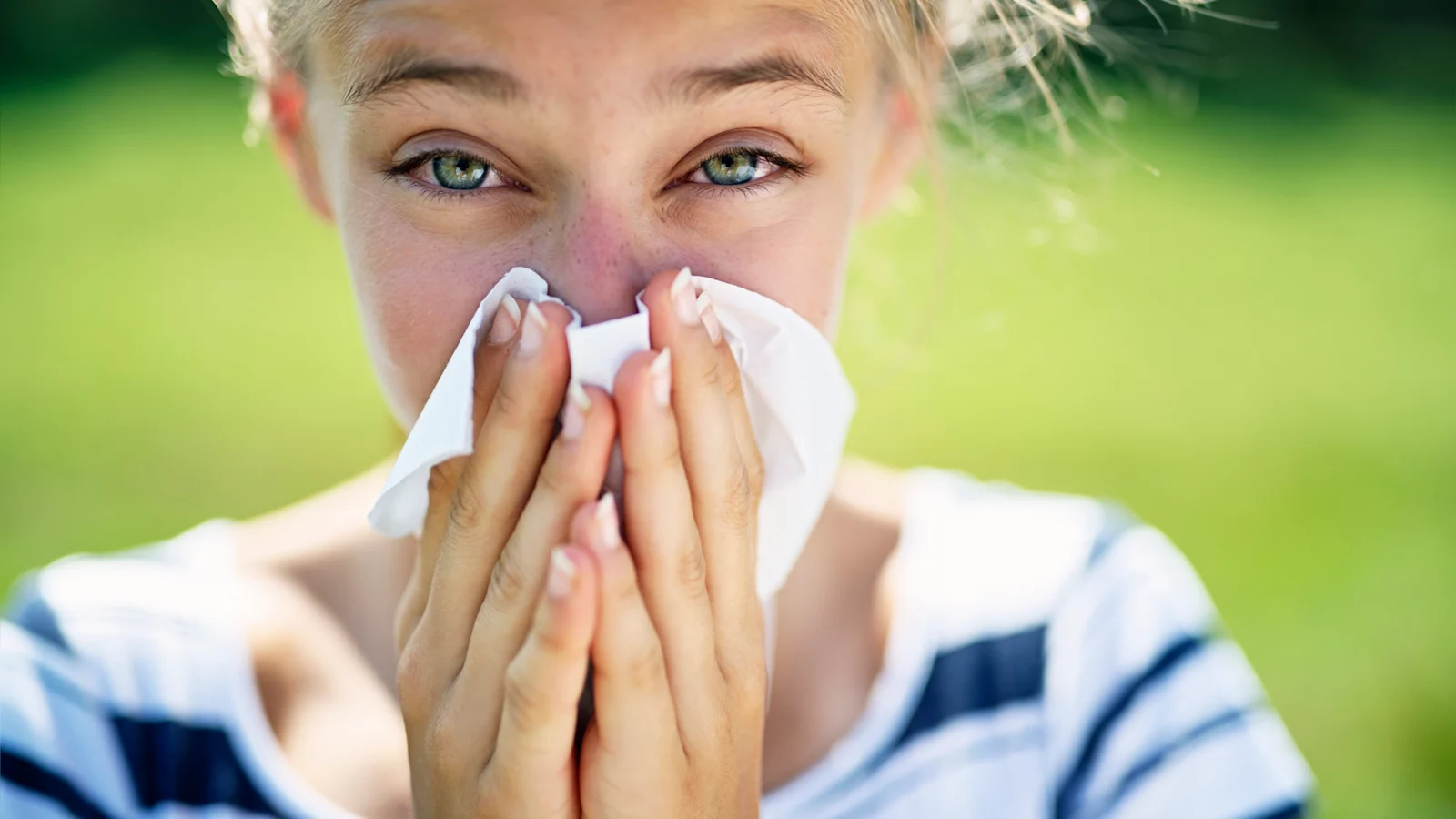
Repeated sneezing often happens when the lining of the nose reacts to an irritant or allergen. Pollen, dust mites, pet dander, mold, smoke, strong fragrances, and respiratory infections are among the possibilities.
Frequent sneezing episodes become easier to investigate when you focus on timing and surroundings. A pattern linked to certain rooms, seasons, animals, or activities can provide useful clues without assuming that one trigger is responsible.
Look for Patterns Around Sneezing
A few isolated sneezes don’t usually reveal much. Repeated episodes at similar times or places are more informative. Someone who sneezes soon after waking may need to consider bedroom exposures, while symptoms that appear outdoors may point toward seasonal environmental triggers.
Keep a simple record for several days. Note where you were, what you were doing, whether windows were open, and whether you also had a runny nose, itchy eyes, congestion, coughing, or fever.
Information found through general wellness reading can help people organize questions, but symptom patterns should be interpreted carefully rather than used for self-diagnosis.
Reduce Common Indoor Allergen Exposure
Indoor biological contaminants can include pollen, dust mites, mold, and animal allergens. The U.S. Environmental Protection Agency discusses these sources in its guidance on biological contaminants and indoor air.
Cleaning can help, but the method matters. Damp dusting can keep settled particles from immediately returning to the air, while vacuuming may temporarily stir dust around. Wash bedding regularly, address moisture problems, and maintain heating or cooling filters according to manufacturer instructions.
| Possible Trigger | Pattern You May Notice | Practical Check |
|---|---|---|
| Pollen | Worse outdoors or seasonally | Compare indoor and outdoor timing |
| Dust | Worse during cleaning | Reduce settled dust gradually |
| Pet allergens | Symptoms around animals | Track exposure carefully |
| Mold | Symptoms in damp areas | Look for moisture sources |
Consider Irritants as Well as Allergens
Not every sneezing episode represents an allergy. Perfume, cleaning sprays, smoke, temperature changes, and airborne particles can irritate sensitive nasal passages.
That distinction matters because repeatedly searching only for “allergens” can overlook a strong non-allergic trigger. People browsing everyday health topics may encounter many possible explanations, but the most useful evidence often comes from their own consistent exposure pattern.
Reducing an obvious irritant for several days can sometimes make patterns clearer. Avoid changing numerous things simultaneously, or you may not know which change made a difference.
Pay Attention to Other Symptoms
Sneezing with itchy or watery eyes may fit an allergic pattern more closely than sneezing with fever and generalized illness, though symptom overlap is common.
A broader symptom diary can help when discussing the problem with a clinician. General digital wellness resources can support personal tracking habits, but persistent symptoms deserve appropriate medical evaluation rather than conclusions drawn from online descriptions alone.
Why Self-Diagnosis Can Be Misleading
Sneezing is common across many conditions. Allergic rhinitis, respiratory infections, irritant exposure, medication effects, and other nasal problems may produce overlapping complaints.
Assuming that frequent sneezing proves a specific allergy can lead to unnecessary avoidance measures while the true trigger remains unchanged. A clinician may consider your history, examination findings, timing, and sometimes allergy testing when symptoms are persistent or difficult to explain.
When Should You Get Medical Help?
Arrange medical evaluation when sneezing or nasal symptoms persist, interfere with sleep or daily activities, repeatedly return without an obvious explanation, or occur alongside ongoing breathing problems.
Seek prompt medical help if an apparent allergic reaction involves significant trouble breathing, swelling of the tongue or throat, faintness, or rapidly worsening symptoms. Sudden severe breathing difficulty can require emergency evaluation.
Frequently Asked Questions
Why do I sneeze repeatedly after waking up?
Bedroom dust, dust mites, pet allergens, pollen entering through windows, or nasal sensitivity may contribute. Tracking whether symptoms improve after leaving the bedroom can provide a useful clue.
Can cleaning make sneezing temporarily worse?
Yes. Sweeping, dusting, and vacuuming can disturb settled particles and temporarily put them back into the air. Damp dusting and appropriate filtration may help limit this effect.
Should frequent sneezing always be allergy tested?
Not necessarily. Testing depends on the duration, severity, suspected triggers, medical history, and whether identifying a specific allergen would change management. A clinician can help determine whether testing is useful.
Use the Pattern to Guide Your Next Step
Frequent sneezing becomes more understandable when you compare symptoms with places, seasons, household activities, and other exposures. Reduce obvious triggers gradually and record what changes.
If episodes continue despite reasonable environmental adjustments, become disruptive, or appear with more concerning symptoms, discuss the pattern with a healthcare professional rather than continuing to guess.
This article is for general informational purposes and is not a substitute for professional medical advice, diagnosis, or treatment.