
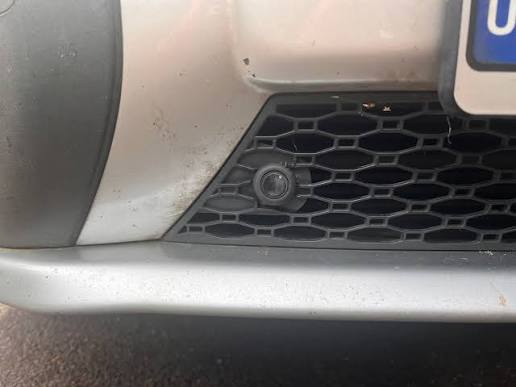
Parking sensors can start beeping continuously, fail to detect nearby objects, or remain completely silent even when something is close to the bumper. Before assuming the system needs expensive repairs, inspect and clean the sensors. Dirt, road salt, mud, wax, ice, and moisture can interfere with the ultrasonic signal and create surprisingly convincing faults.
Why Parking Sensors Stop Working Properly
Most parking sensors use ultrasonic waves to measure the distance between the bumper and nearby objects. A sensor sends a signal outward and calculates how quickly the reflected signal returns.
Anything covering the sensor face can interfere with that process. Drivers researching broader vehicle repair resources may encounter many complicated explanations, but contamination is one of the easiest possibilities to rule out first.
Sensor problems can also develop after bumper work, minor parking impacts, or electrical repairs. A sensor sitting at the wrong angle may behave differently even when the component itself still works.
Clean the Sensors Before Testing Anything Else
Use water and a soft microfiber cloth to remove visible dirt from each sensor. Avoid aggressive scraping because scratching or pushing against the sensor face may create another problem.
After cleaning, start the vehicle and activate the parking system under safe conditions. Some vehicles require reverse gear, while others activate front sensors automatically at low speeds.
People comparing automotive technology references should remember that sensor behavior differs between makes and models. A system that appears inactive may simply require specific operating conditions.
Check for Ice, Wax, and Water
Car wax or polishing compound can leave a thin film that isn’t obvious from a few feet away. Heavy rain, frozen slush, or compacted snow can cause temporary warnings as well.
Give the sensor area time to dry after washing the vehicle. If normal operation returns once the bumper is clean and dry, replacement may not be necessary.
Look for Physical or Electrical Problems
A clean sensor that continues producing false warnings deserves closer inspection. Check whether one sensor is pushed inward, cracked, loose, or visibly different from the others.
Electrical faults are another possibility. Wiring behind a bumper can be damaged during collisions, towing equipment installation, body repairs, or previous electrical work. General automotive wiring information can provide useful background, although the correct diagnostic procedure still depends on the vehicle.
| Problem | Possible Cause | First Check |
|---|---|---|
| Constant beeping | Dirt or obstruction | Clean every sensor |
| No warning | Sensor or system fault | Confirm activation |
| False distance reading | Misaligned sensor | Inspect mounting |
| Intermittent operation | Moisture or wiring | Dry and inspect |
What People Often Misdiagnose
A parking sensor warning doesn’t automatically mean the sensor itself has failed. The control module, wiring, connectors, bumper alignment, or even an accessory mounted near the sensor can affect operation.
Tow bars, license plate frames, bicycle racks, and poorly positioned aftermarket accessories sometimes enter the sensing area. Removing or repositioning the accessory may solve the problem without replacing electronic parts.
Repeatedly buying sensors without confirming the cause can turn a simple issue into an expensive guessing exercise.
Frequently Asked Questions
Can a dirty parking sensor cause constant beeping?
Yes. Dirt, ice, mud, road salt, or wax covering the sensor can interfere with its signal. Cleaning every sensor carefully is a sensible first step before investigating electrical or component failures.
Can rain make parking sensors malfunction?
Heavy rain and standing moisture can occasionally affect sensor readings. The problem may disappear when the sensors dry, but repeated faults in normal weather may justify further inspection.
Do parking sensors need calibration after bumper repairs?
Some systems may require correct positioning, programming, or calibration after repair work. Requirements differ by vehicle, so the manufacturer’s service procedure is the safest reference for the specific model.
Start With the Simple Checks
Cleaning the bumper sensors costs almost nothing and removes one of the easiest causes of parking-assistance problems. If the fault remains, inspect sensor mounting, nearby accessories, wiring, and stored diagnostic codes before replacing parts. A methodical check usually produces a better result than assuming the first warning means an expensive sensor has failed.


