
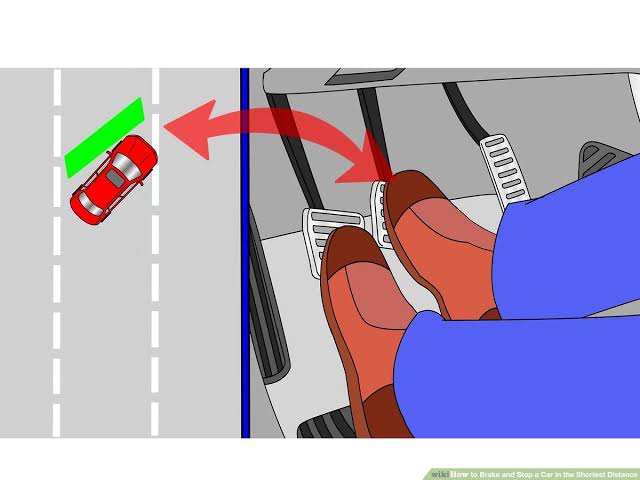
Sudden braking becomes far less dangerous when you leave enough room to react. A safe following distance gives you time to notice a hazard, move your foot to the brake, and slow the vehicle without turning an ordinary traffic change into a collision.
Good spacing matters at every speed, but it becomes even more important on highways, crowded streets, and roads with limited visibility.
Why Following Distance Matters
Drivers often focus on how quickly their car can stop, yet reaction time comes before braking distance. Even a responsive braking system cannot help until the driver recognizes the problem and starts braking.
Traffic conditions can also change faster than expected. A vehicle ahead may stop because of congestion, debris, an animal, or another driver entering the lane unexpectedly. Regular vehicle maintenance planning supports road readiness, but physical distance remains one of your strongest everyday safety margins.
Give Yourself a Time Cushion
A practical approach is to judge distance by time rather than car lengths. Choose a roadside reference point and notice when the vehicle ahead passes it. Your vehicle should reach the same point several seconds later under normal conditions.
More space may be appropriate when visibility, weather, traffic, or road conditions become worse.
Speed Changes How Much Road You Need
Higher speed increases the distance traveled before you can react. It also increases the space required to bring the vehicle to a controlled stop.
That is why highway driving requires more than watching the brake lights immediately ahead. Looking farther down the road helps you identify slowing traffic sooner and reduces the chance of emergency braking. Sensible route preparation basics can also help drivers anticipate construction, congestion, and unfamiliar road layouts before the trip starts.
| Situation | Main Risk | Safer Response |
|---|---|---|
| Heavy traffic | Sudden stops | Increase space |
| Highway driving | Higher stopping distance | Look farther ahead |
| Wet roads | Reduced grip | Slow gradually |
| Poor visibility | Late hazard detection | Add extra distance |
Tire Grip Can Change the Outcome
Stopping distance depends partly on the connection between the tires and the road. Worn tread, poor inflation, or unsuitable tires can reduce the vehicle’s ability to slow predictably.
Routine tire condition checks make sense before long journeys and during seasonal weather changes. Drivers should also remember that good tires do not cancel the effects of speed, water, ice, gravel, or poor following distance.
Use Early Braking Instead of Last-Second Braking
Smooth driving usually creates fewer emergencies. When you notice brake lights several vehicles ahead, easing off the accelerator early may reduce the need for hard braking later.
This approach also gives following drivers more time to react. Predictable speed changes are easier for everyone around you to understand than sudden, aggressive stops.
Keep an Escape Option
Avoid driving directly beside another vehicle for long periods when possible. A small amount of open space beside your car may provide another option if traffic suddenly stops and a safe lane change becomes necessary.
Any evasive maneuver still requires careful observation. Swerving blindly can replace one hazard with another.
Common Braking Mistakes to Avoid
Following too closely is one of the most obvious mistakes, but it is not the only one. Some drivers watch only the vehicle directly ahead instead of reading the broader traffic pattern. Others accelerate toward slowing traffic and brake heavily at the last moment.
Another mistake is assuming familiar roads are automatically safe. Routine routes can still contain sudden congestion, stopped vehicles, pedestrians, roadwork, or unexpected debris. Familiarity should reduce uncertainty, not attention.
Frequently Asked Questions
How much space should I leave behind another vehicle?
Use enough distance to give yourself time to recognize a problem and brake smoothly. Increase the gap when driving faster, in poor weather, at night, or whenever visibility and traction are reduced.
Does a newer car stop faster in an emergency?
Modern braking and driver-assistance systems may help, but stopping still depends on speed, tires, road conditions, reaction time, and available space. Technology should support safe driving habits rather than replace them.
Should I brake hard if traffic suddenly slows?
Use firm braking when necessary to avoid a collision, but early observation often makes smoother braking possible. Keep control of the vehicle and avoid abrupt steering unless you have confirmed a safe escape path.
Make Space Your First Defense
Sudden stops cannot always be predicted, but they do not need to become emergencies every time. Leave more room than you think you need, watch traffic well ahead, and reduce speed when conditions limit visibility or grip. A few extra seconds of space can give you the time needed to make a controlled decision instead of a desperate one.