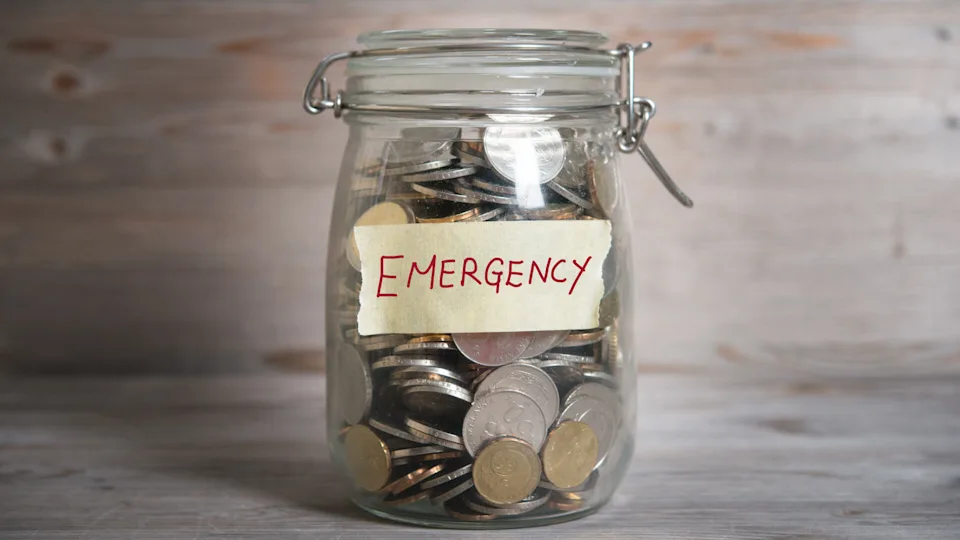
A weak emergency fund often starts with one problem: saving is treated as whatever happens after every other expense is paid. Poor emergency funds improve faster when the first goal is small, specific, and repeatable. A modest cash buffer can still soften the next surprise and reduce the need to borrow.
Start With a Smaller First Target
Do not wait until you can save a large amount. Pick one realistic expense that commonly causes stress, such as a minor car repair, an insurance deductible, or a week of groceries. Once you reach that target, set the next milestone.
Give the Money One Job
Keep emergency savings separate from holiday money, routine bills, and planned repairs. A clear purpose makes withdrawal decisions easier and helps prevent the account from becoming a second checking balance.
Build From Cash Flow, Not Good Intentions
Look at when money enters and leaves your account. Small openings may appear after payday or during months with fewer irregular costs. Broad personal finance discussions may suggest many savings formulas, but the useful amount is the one your real cash flow can support.
A small payday transfer often works better than hoping money remains at month-end.
Make Consistency Easier to Maintain
Automation removes a decision from every pay cycle. Choose a recurring amount low enough that you will not repeatedly need to move it back. General money management reading can offer ideas, but the system should remain simple.
| Common Problem | Better Move | Why It Helps |
|---|---|---|
| Saving only at month-end | Transfer after payday | Money moves first |
| Setting a huge first goal | Use small milestones | Progress feels reachable |
| Mixing savings together | Separate emergency cash | Purpose stays clear |
| Saving too aggressively | Lower the amount | Fewer reversals |
Keep Emergency Money Easy to Reach
Emergency cash should be accessible without sitting in your daily spending account. A separate savings account can add useful friction while keeping the money available when a genuine surprise appears.
Reading general budgeting resources may help you compare habits, but avoid systems that make emergency cash difficult to access.
What People Often Get Wrong About Emergency Savings
One mistake is refusing to start because the “ideal” fund sounds too large. Another is calling every irregular expense an emergency. Annual premiums, predictable maintenance, and holiday spending are better handled with separate planned savings.
The opposite mistake is never using the fund because spending it feels like failure. If the expense fits your rules, using the money is part of the plan. Rebuilding comes next.
When Should You Get Financial Help?
If bills are regularly unpaid, minimum debt payments are becoming unmanageable, or saving requires missing essentials, the issue may be broader than an emergency-fund habit. A qualified financial counselor may help you review options.
The Consumer Financial Protection Bureau explains that emergency savings is meant for unplanned expenses and that even small amounts can provide some protection. Its emergency fund guide offers general guidance.
Frequently Asked Questions
How much should I save first for an emergency fund?
Choose a first milestone that fits your budget and a likely surprise expense. A smaller reachable target is more useful than postponing saving while waiting to pursue a large number.
Should I save for emergencies while paying off debt?
Keeping some emergency cash may reduce the chance that a new surprise goes straight onto a credit card. The right balance depends on debt costs, minimum payments, income, and essential expenses.
Where should emergency savings be kept?
A separate, accessible savings account is a common option. Prioritize safety, access, and separation from everyday spending over chasing returns on money you may need quickly.
Make the First Deposit Repeatable
The strongest improvement is not a dramatic one-time transfer. It is an amount you can repeat without disrupting rent, food, utilities, or required debt payments. Pick a small milestone, automate what you can, and review it after a few pay cycles. A fund built steadily becomes useful long before it becomes large.
This article is for general informational purposes and is not a substitute for personalized financial advice.

