
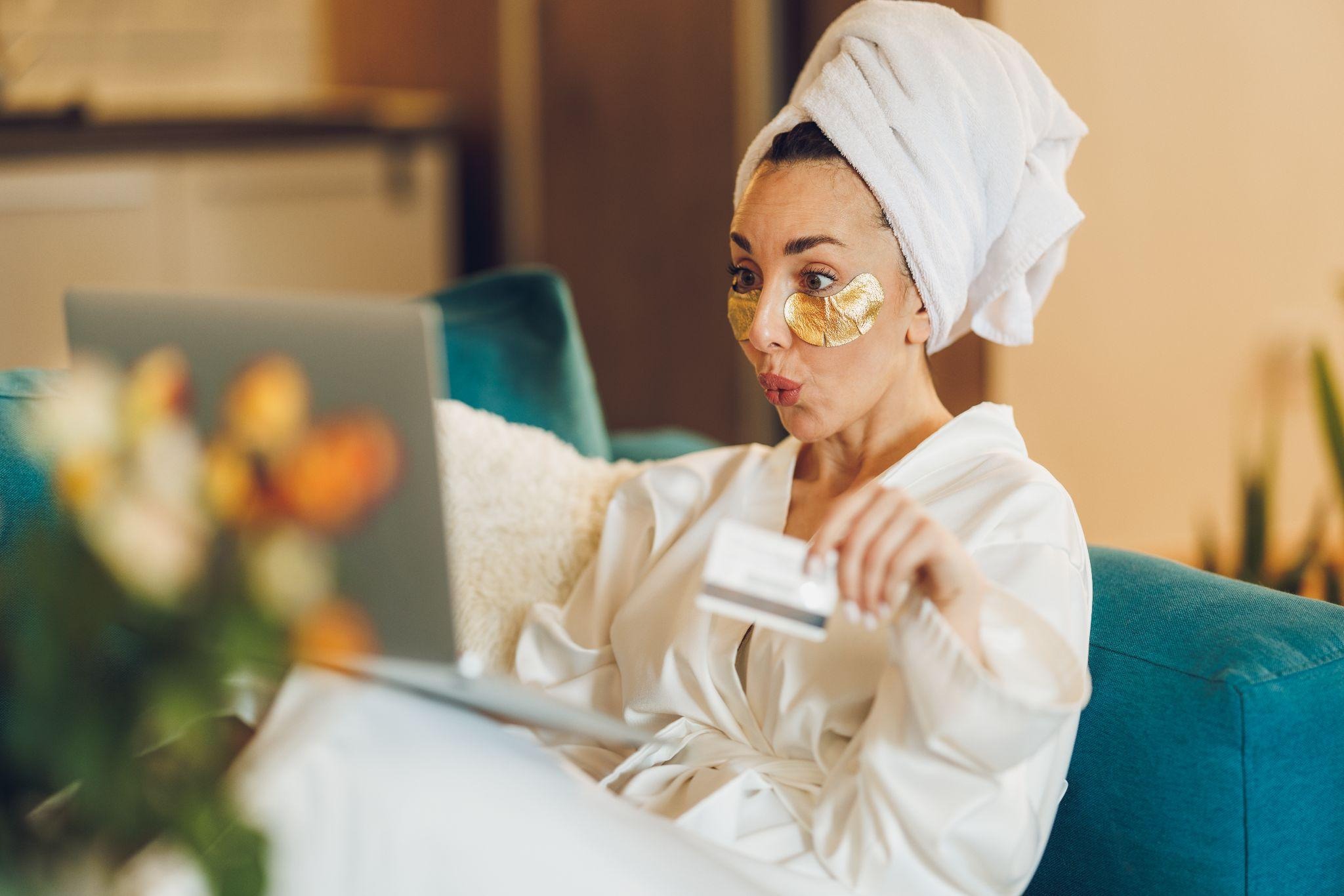
The standard advice on buying luxury skincare online is wrong on most counts, and it is wrong in ways that cost consumers real money. The dominant narrative, that physical retail is dying, that online prices are always better, that brand-direct websites are the only safe option, that counterfeits are rare, collapses on close examination. The reality is more interesting and more useful: online skincare purchasing is genuinely excellent for a narrow category of buyers and genuinely risky for everyone else, and the difference between the two groups comes down to four specific factors most shoppers never consider.
This piece is a contrarian breakdown for anyone who has been told that ordering from the brand’s website is always the right move, that price-comparison sites tell the whole story, or that the local boutique is just a more expensive version of what is available online. None of those claims survives serious scrutiny.
Myth one: online is always cheaper
The first myth to address is the price differential between authorized online retailers and physical stores. The assumption is that online operates with lower overhead and passes the savings to consumers. For most luxury skincare brands, this is simply not true.
Luxury skincare brands tightly control retail pricing through Minimum Advertised Price agreements. Authorized retailers, whether online or physical, sell at the same price. The only places where prices diverge significantly are unauthorized resellers, grey market importers, and counterfeiters. Cheaper-than-official pricing is not a sign of a better deal. It is usually a sign that the product is either expired, diverted from a different regional market, or fake.
The actual cost difference between buying a Biologique Recherche product from an authorized boutique versus an authorized e-commerce site is zero. The difference is consultation, fulfilment speed, and whether the buyer can return the product if it does not suit their skin. Those variables matter more than a price comparison that does not exist.
Myth two: the brand’s own website is the safest option
This is partially true and partially misleading. Brand-direct websites are safe in the sense that the product is guaranteed authentic. They are not safe in the sense that they provide the diagnostic support and personalized recommendation that justify buying luxury skincare in the first place.
For brands built around professional methodology, brand-direct e-commerce is often the worst purchase channel for new customers. The website cannot diagnose a Skin Instant. It cannot read facial measurements. It cannot adjust the recommendation based on the conversation it just had with you. It is a catalogue that asks you to select your own products. For brands designed for protocol-driven sales, this is a structural mismatch. Anyone planning to buy luxury skincare online should evaluate the retailer on whether they offer remote consultation, return policies that accommodate skin mismatches, and access to esthetician support before, during, and after the purchase. An authorized retailer with a real esthetician on the other end of an email is genuinely a better experience than the brand’s own e-commerce for most buyers.
Myth three: counterfeit luxury skincare is rare
This is the most expensive myth in the category. Counterfeit luxury skincare is not rare. It is endemic on third-party marketplaces, including the major ones consumers default to. Amazon’s third-party seller ecosystem has been documented as a significant counterfeit channel for La Mer, SkinCeuticals, La Prairie, and most other professional-grade brands. eBay is worse. Instagram-based “discount” sellers are worse still.
The counterfeit problem in skincare is particularly insidious because the product often looks correct. The packaging is duplicated convincingly. The colour, texture, and even initial scent of the counterfeit can match the original. What is inside the bottle is the problem: substituted base ingredients, missing actives, contaminated water, or in worse cases, actively harmful substitutes that have caused documented dermatological reactions.
Brands have invested in authentication technology specifically because of this problem. Biologique Recherche uses Prooftag BubbleTag seals, each product carries a unique randomized pattern that can be verified against the brand’s database. La Mer uses laser-etched batch codes. SkinCeuticals uses lot tracking that authorized retailers can verify. These systems work, but only for buyers who actually use them. Most consumers who suspect a counterfeit never verify, and the counterfeit market thrives on that gap.
The mitigation is straightforward: buy from authorized retailers, verify any authentication code the brand provides, and treat unusually low prices as a warning rather than a deal.
Myth four: returning skincare is impossible, so the purchase is final
Conventional wisdom holds that opened skincare cannot be returned for hygiene reasons, which makes online buying riskier than in-store sampling. The first half of that statement is true at most retailers. The second half is largely false.
Better online retailers, particularly authorized boutiques rather than corporate e-commerce platforms, offer informal exchange policies that the brand-direct sites typically do not. A boutique that has been working with a customer over time will frequently accept a returned cream that triggered reactivity, swap it for an alternative, and absorb the loss as a cost of customer relationship. Corporate e-commerce policies, written for scale, cannot offer this flexibility.
The implication is that the most generous return policies in luxury skincare are usually at the smallest authorized retailers, not the largest. Buyers who assume otherwise pay a real price for that assumption, locked into purchases that do not work for their skin because they bought from a vendor too large to handle the exception.
What actually matters
Three things determine whether an online luxury skincare purchase is a good decision: authentication trust (is the seller authorized, and can the product be verified), service depth (can the retailer provide consultation and guidance, or are they just shipping boxes), and return flexibility (what happens if the product does not work for the buyer’s skin).
Brands like SkinCeuticals, La Mer, Biologique Recherche, Drunk Elephant, and Augustinus Bader are all available through legitimate authorized channels online. The right choice is not always the brand’s own site, and it is almost never the cheapest listing on a third-party marketplace. The right choice is the authorized retailer that gives the buyer real access to expertise alongside the product itself. That is the variable that separates a useful online skincare purchase from an expensive disappointment.
One final practical note. The shopping habits that work for fashion, electronics, or household goods do not translate to luxury skincare. Comparison shopping across five tabs to find the lowest price is a behaviour that actively works against the buyer in this category, because the lowest price almost certainly points to either a counterfeit or an unauthorized seller without service infrastructure. The instinct to scroll through Amazon reviews before buying is similarly counterproductive: most professional-grade skincare cannot be honestly reviewed by a consumer who has not been properly diagnosed and who is using the product outside of its intended protocol. The reviews are not telling you what the product does. They are telling you what one stranger’s skin happened to do when they applied it without context. Luxury skincare is closer to prescription medicine than to consumer electronics, and the shopping process should reflect that.