
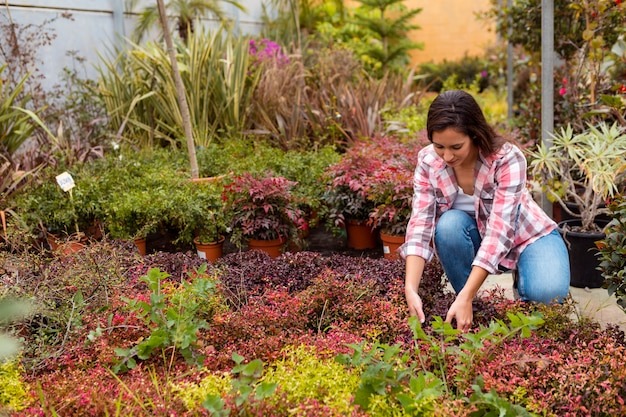
Edible landscaping is a growing trend that combines beauty and functionality in home gardens. By integrating fruits, vegetables, herbs, and other edible plants into ornamental landscapes, gardeners can create spaces that are not only visually appealing but also productive. Edible landscaping offers numerous advantages, from saving money to promoting sustainability and healthier eating habits. Here’s a detailed look at the top benefits of incorporating edible plants into your garden.
1. Fresh and Nutritious Produce
One of the most obvious benefits of edible landscaping is access to fresh, homegrown produce. Growing fruits, vegetables, and herbs in your yard ensures you always have nutrient-rich ingredients on hand.
Freshly harvested produce retains more vitamins and minerals compared to store-bought options. Additionally, harvesting your own crops allows you to enjoy seasonal flavors at their peak, enhancing meals with freshness and taste.
2. Cost Savings
Incorporating edible plants into your garden can also lead to significant savings on grocery bills. Growing your own vegetables, berries, and herbs reduces the need for frequent trips to the store.
Over time, the initial investment in plants, seeds, and soil amendments pays off as you harvest multiple crops from the same garden space. With careful planning, a well-designed edible landscaping project can provide a steady supply of food throughout the growing season.
3. Environmental Sustainability
Edible landscaping promotes eco-friendly gardening practices. By growing food at home, you reduce reliance on store-bought produce that often travels long distances, consuming fuel and generating carbon emissions.
Additionally, edible gardens encourage natural methods of pest control and composting, reducing the need for chemical fertilizers and pesticides. This approach supports biodiversity, promotes healthier soil, and contributes to a more sustainable lifestyle.
4. Aesthetic Appeal
Contrary to the misconception that edible gardens are messy or purely functional, edible landscaping can be highly decorative. Many edible plants, such as cherry tomatoes, rainbow chard, herbs, and berries, offer vibrant colors, textures, and scents that enhance your garden’s visual appeal.
By thoughtfully arranging plants alongside ornamental flowers, shrubs, and pathways, you can create a beautiful and harmonious space that is both practical and inviting.
5. Educational Opportunities
Edible landscaping offers excellent learning opportunities for children and adults alike. Growing your own food provides hands-on experience in plant care, gardening techniques, and environmental stewardship.
It also teaches valuable lessons about nutrition, seasonal cycles, and sustainable living. Families can enjoy the process of planting, tending, and harvesting crops together, fostering a deeper appreciation for nature and healthy eating habits.
Conclusion
Integrating edible landscaping into your garden offers a wide range of benefits, including fresh produce, cost savings, sustainability, aesthetic beauty, educational opportunities, and improved well-being. By thoughtfully combining edible and ornamental plants, you can create a productive, visually appealing, and eco-friendly garden space. Adopting edible landscaping is not just about growing food, it’s about cultivating a lifestyle that nourishes both body and mind. Additionally, it transforms your garden into a year-round source of beauty, nutrition, and inspiration for family and visitors alike.