
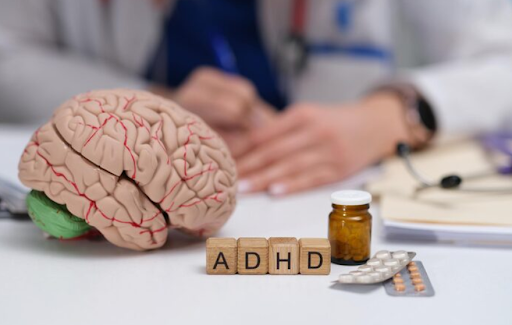
Children with Attention-Deficit/Hyperactivity Disorder (ADHD) may face different challenges in their daily lives. They may struggle to focus, follow instructions, control their behavior, or complete simple tasks. These difficulties can affect their learning, relationships, and confidence. With the right support, children can learn to manage these challenges and develop healthy habits. ADHD treatment plays an important role in helping children improve their daily functioning and enjoy a more balanced life.
Understanding the Daily Challenges
Children with ADHD may find it difficult to stay focused during lessons, finish homework, or remember everyday instructions. They may become easily distracted by sounds, activities, or things happening around them. Some children may also have trouble sitting still or waiting for their turn.
These challenges can sometimes create problems at school and home. Children may feel frustrated when they cannot complete tasks like their classmates. Parents and teachers may also find it difficult to manage certain behaviors. Understanding these difficulties is the first step toward finding suitable ADHD treatment and support.
Improving Focus and Attention
One of the main goals of ADHD treatment is to help children improve their attention and concentration. When children receive appropriate care, they may find it easier to listen, follow instructions, and stay focused on activities for longer periods.
Better attention can also support their learning experience. Children may become more comfortable completing schoolwork, reading books, and participating in classroom activities. Depending on their needs, treatment may include medication, behavioral therapy, or other professional support. These approaches can help children develop skills that make everyday tasks easier to manage.
Supporting Better Behavior and Emotional Control
Children with ADHD may sometimes act without thinking or struggle to control their emotions. They may become impatient, interrupt conversations, or feel upset when things do not go as planned. These reactions can affect their friendships and family relationships.
ADHD treatment can help children learn how to manage their emotions and respond more appropriately to different situations. Behavioral therapy can teach useful skills, such as waiting patiently, thinking before acting, and handling frustration. With regular guidance and encouragement, children can gradually develop better self-control and confidence.
Building Healthy Daily Routines
A consistent daily routine can make life easier for children with ADHD. Regular schedules help them understand what they need to do and when they need to do it. Simple activities, such as getting ready for school, completing homework, and preparing for bedtime, become easier to manage with clear expectations.
ADHD treatment can help parents and children identify practical strategies for creating these routines. Breaking larger tasks into smaller steps, using reminders, and providing positive encouragement can make daily responsibilities less stressful. These habits also help children become more independent over time.
Strengthening Social Skills and Confidence
Building friendships and communicating with others can sometimes be difficult for children with ADHD. They may interrupt conversations, struggle to take turns, or find it challenging to understand social situations.
Through suitable ADHD treatment, children can learn important social skills and develop healthier relationships. Support from parents, teachers, and therapists can help them understand social expectations and communicate more effectively. As they experience positive interactions, their confidence and sense of belonging may also improve.
Conclusion
ADHD treatment can make a meaningful difference in helping children manage everyday challenges. By improving focus, emotional control, behavior, and social skills, appropriate care can support their development at home and school. Every child has different needs, so working with qualified healthcare professionals is important when choosing a treatment approach. With patience, encouragement, and consistent support, children with ADHD can build useful skills and enjoy a more confident and successful daily life.