
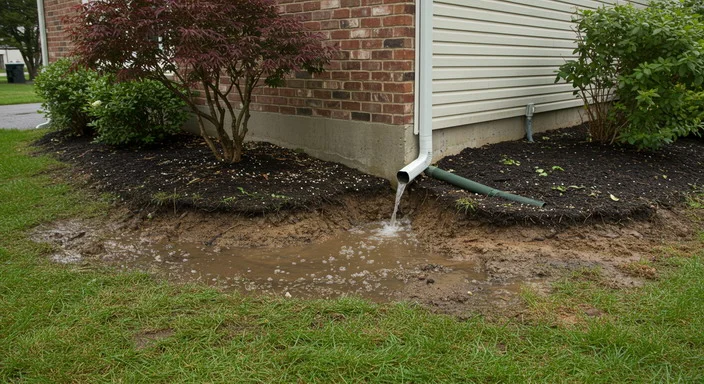
Drainage failures often begin with an incomplete understanding of how water enters, crosses, and leaves a site. New grading can shift runoff toward buildings, roads, or neighboring property. For U.S. buyers and developers, the safest approach is to move from listing claims to documents, field evidence, and agency information before money becomes difficult to recover. Map existing drainage, confirm discharge points, evaluate stormwater requirements, and coordinate grading with detention, infiltration, conveyance, and downstream constraints. This is where experienced land, engineering, survey, environmental, finance, or project advisors can add structure to the decision.
For additional buyer-oriented reading, property search guidance can supplement the process, while official records and professional reports remain the controlling sources for the parcel.
Stormwater and Drainage Consultants to Compare
In practice, existing drainage patterns, stormwater requirements, grading impacts, detention needs, and lawful discharge routes should be checked together because each item can change the others. A report is most useful when the consultant knows the proposed use, not only the parcel address. Owners should also confirm which conclusions are preliminary and which are suitable for design, lending, or permitting.
1. Kimley-Horn
For an owner trying to resolve existing drainage patterns, stormwater requirements, grading impacts, detention needs,, lawful discharge routes, Kimley-Horn is another provider to review. The firm is suited to projects where a developer wants several technical disciplines coordinated under one development strategy. A clear engagement should identify what evidence the firm will rely on and what decision the final work product is meant to support.
2. Stantec
Stantec can be relevant when the project needs existing drainage patterns, stormwater requirements, grading impacts, detention needs,, lawful discharge routes. Stantec provides environmental assessment and permitting support, including permit strategy, application preparation, and technical work for local, state, and federal approvals. Before hiring, define the exact deliverable, jurisdiction, schedule, and whether field work or agency coordination is included.
3. Tetra Tech
For projects centered on existing drainage patterns, stormwater requirements, grading impacts, detention needs,, lawful discharge routes, Tetra Tech is one firm worth comparing. The firm is relevant where early environmental screening can materially affect design, schedule, or approvals. Ask which parts of the assignment the team will perform directly and what limitations will remain after the report is issued.
4. Arcadis
Arcadis fits situations where existing drainage patterns, stormwater requirements, grading impacts, detention needs,, lawful discharge routes must be documented before larger commitments are made. The firm can fit developments where environmental constraints and engineering choices must be evaluated together. Owners should separate due diligence from final design or construction support so later phases are not assumed to be included.
5. Bohler
A developer dealing with existing drainage patterns, stormwater requirements, grading impacts, detention needs,, lawful discharge routes may consider Bohler. The firm can be relevant when entitlement, civil design, site layout, and development coordination need to move together. The proposal should state site assumptions, deliverables, exclusions, review cycles, and how findings will be coordinated with the rest of the project team.
Because land decisions eventually shape how a site is lived in or improved, broader landowner home guidance can provide secondary lifestyle context alongside the technical file.
What Owners Should Verify Before Proceeding
Begin with topography and watershed context rather than drawing the building first. Review FEMA information where relevant, local stormwater criteria, known drainage complaints, culverts, ditches, streams, wetlands, and downstream infrastructure. Then test how the proposed impervious area changes runoff. The concept should reserve enough room for detention, water-quality treatment, overflow routing, and maintenance access. Developers should also identify whether off-site discharge requires easements or agency approvals. Keep a written issue log that records the source of each conclusion and whether it affects price, design, schedule, or closing. That makes it easier to decide which items must be resolved before acquisition and which can move into later design.
Owners considering resale or investment questions may also use real estate investment ideas for broader market context rather than as a substitute for parcel-specific due diligence.
Frequently Asked Questions
What should a drainage plan address before development?
It should show existing and proposed drainage patterns, peak runoff management, water-quality measures, detention or infiltration where required, overflow routes, discharge points, and how neighboring property will be protected.
Why can drainage problems appear after construction?
Grading, pavement, roofs, compacted soil, and new storm systems can change how quickly and where water moves. Small design or maintenance problems can become visible only during larger storms.
Do all sites need detention ponds?
No. Requirements vary by jurisdiction, watershed, soil, site design, and available systems. Some projects use underground storage, infiltration, bioretention, regional facilities, or other approved methods.
Keep Due Diligence Ahead of Design
Water always follows the grades the project creates. Good drainage planning gives that water a controlled path before buildings, roads, and property lines become obstacles. Match the professional scope to the exact risk, resolve feasibility-changing issues before they become sunk costs, and keep major assumptions tied to reliable documents or qualified advice.