
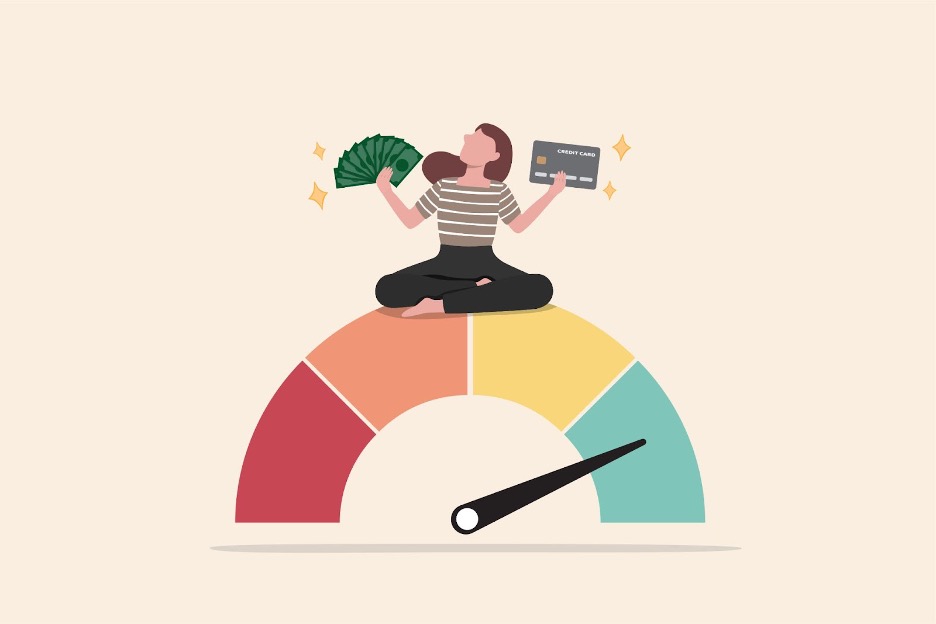
Using a large share of your available revolving credit can work against your credit score, even when every payment arrives on time. Lowering card balances can reduce that pressure, but the best approach is usually steady repayment rather than moving money around simply to chase a particular score.
Why High Credit Usage Can Affect Your Score
Credit scoring models consider how much of your available revolving credit you’re using. A card with a balance close to its limit can therefore look different from the same account carrying a much smaller balance.
The Consumer Financial Protection Bureau explains that getting close to credit limits can hurt credit scores and recommends keeping balances low relative to available credit.
People also encounter credit advice mixed into broader online reading, so it helps to distinguish general suggestions from information supplied by lenders, credit bureaus, and consumer agencies.
Focus on Balances You Can Reduce Consistently
Start by listing each revolving account, its balance, and its credit limit. That gives you a clearer picture of which cards are using the greatest share of their available limits.
Extra payments can then be directed toward balances where they make financial sense. While exploring everyday digital content, remember that lowering debt also reduces the amount of money exposed to ongoing interest charges.
| Situation | Possible Effect | Practical Response |
|---|---|---|
| Card near its limit | High usage reported | Reduce the balance |
| Several balances | Usage spread across cards | Review each account |
| Low balance | Less credit being used | Keep payments timely |
| Growing debt | Higher interest expense | Limit new charges |
Timing Can Matter More Than People Expect
Credit scores aren’t calculated only on the day your payment is due. Account information may be reported at another point in the billing cycle, meaning a temporarily high reported balance may influence a score even if you later pay the card in full.
That is one reason some people make payments before their statements close. General web reading and commentary can introduce many credit tactics, but your card issuer can tell you when statements close and how account information is handled.
What People Often Get Wrong About Credit Usage
A common misconception is that you need to carry debt and pay interest to demonstrate responsible credit use. You don’t need an outstanding credit-card balance simply to build a strong score; paying balances while maintaining a solid payment record can be more financially sensible.
Closing an old card isn’t automatically the answer either. Removing available credit can increase the proportion of credit you’re using, depending on your remaining balances and limits.
When Professional Financial Help May Be Useful
Consider getting qualified help when minimum payments are becoming difficult, balances continue growing despite repayment efforts, or you’re considering debt-relief arrangements you don’t fully understand.
A nonprofit credit counselor or other qualified financial professional may help you review repayment choices. Avoid companies promising instant score increases or guaranteed removal of accurate negative information. Credit rebuilding normally depends on accurate reporting and consistent financial behavior over time.
Frequently Asked Questions
Does paying down a credit card immediately raise a credit score?
Not necessarily. Scores depend on multiple factors and on when updated balances reach credit-reporting companies. A lower reported balance may help, but no specific score increase can be guaranteed.
Should I completely stop using my credit cards?
Not automatically. Some people continue using cards for manageable purchases while paying balances responsibly. The important point is avoiding debt that becomes difficult or expensive to repay.
Is one high-balance card worse than several smaller balances?
The effect depends on the scoring model and your overall credit profile. Both total revolving usage and individual account balances may matter, so reviewing the full picture is more useful than focusing on one number.
Make Balance Reduction Sustainable
Lower credit usage can be one part of improving a credit profile, but don’t sacrifice rent, utilities, food, emergency savings, or other essential obligations simply to change a score quickly. Build a repayment amount you can maintain and avoid replacing paid-down debt with new spending. Credit improvement works best when better numbers reflect healthier finances.
This article is for general informational purposes and is not a substitute for personalized financial advice.