
Back pain is one of the most common and debilitating health issues in the United States, affecting millions of individuals each year.
According to the Centers for Disease Control and Prevention (CDC), nearly 20% of adults in the U.S. experience chronic back pain at any given time.
For many, this pain stems from conditions like herniated discs, sciatica, degenerative disc disease, or spinal stenosis.
While medication, physical therapy, and even surgery are traditional solutions, many patients are turning to non-invasive treatments like spinal decompression therapy for relief.
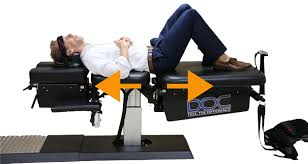
One of the most effective ways to receive spinal decompression therapy is by using a spinal decompression table, which is designed to gently stretch the spine and relieve pressure on the discs and nerves.
These tables use mechanical traction to create negative pressure between the vertebrae, promoting healing by reducing the stress on the discs and allowing them to retract.
In this article, we’ll explore the best spinal decompression tables available for pain relief, how they work, and why they are effective for treating back pain.
What is a Spinal Decompression Table?
A spinal decompression table is a mechanical device used in non-surgical spinal decompression therapy. It consists of a traction system that gently stretches the spine in a controlled manner. During treatment, the patient lies on the table, and the table’s motorized system moves the spine in a way that creates negative pressure in the discs. This negative pressure can help herniated or bulging discs retract, reducing the pressure on surrounding nerves and alleviating pain.
Spinal decompression tables are typically used for conditions such as:
- Herniated discs
- Degenerative disc disease
- Sciatica
- Spinal stenosis
- Facet joint syndrome
While spinal decompression therapy is generally performed in a clinical setting under the supervision of a healthcare provider, some models of spinal decompression tables are available for home use, offering patients greater convenience and flexibility in their treatment.
How Does Spinal Decompression Therapy Work?
The goal of spinal decompression is to relieve pressure on the discs of the spine. When a disc is damaged, it can bulge or herniate, putting pressure on nearby nerves. This can lead to pain, numbness, tingling, or weakness in the affected area. By using a spinal decompression table, the spine is gently stretched, allowing the vertebrae to separate slightly. This separation creates negative pressure within the discs, which may:
- Reduce nerve pressure: By relieving the pressure on the nerve roots, decompression therapy can reduce pain, numbness, and tingling sensations.
- Promote disc retraction: Spinal decompression can help herniated or bulging discs retract, reducing the bulging material that presses on nerves.
- Encourage healing: The negative pressure created during therapy helps increase the flow of nutrients, oxygen, and fluids into the discs, promoting healing and reducing inflammation.
- Improve spinal alignment: The therapy may also help improve overall spinal alignment, which can prevent further disc degeneration or damage.
Best Spinal Decompression Tables for Pain Relief
When it comes to choosing a spinal decompression table, several factors must be considered, such as comfort, ease of use, durability, and cost. Below are some of the top-rated spinal decompression tables that are widely recognized for their effectiveness in pain relief.
1. DRX9000 Spinal Decompression Table
The DRX9000 is one of the most well-known and widely used spinal decompression tables in both clinical and home settings. It uses advanced technology to provide precise, gentle spinal traction, specifically designed to treat conditions like herniated discs, sciatica, and facet syndrome. This table has become a trusted tool for many chiropractors and physical therapists.
Why It’s Effective:
- Targeted Decompression: The DRX9000 provides targeted decompression therapy, adjusting to the needs of each patient. It’s designed to treat the lumbar and cervical spine, making it a versatile option for a range of spinal conditions.
- Comfortable Treatment: The table features a comfortable and adjustable setup, allowing patients to undergo treatment in a relaxing, controlled environment.
- Proven Results: The DRX9000 has shown positive results in reducing pain and improving mobility for patients with chronic back conditions.
Price: The DRX9000 is on the higher end of the price spectrum, typically costing around $20,000 to $50,000 for professional models. Home-use versions, however, can be more affordable.
2. SpineMED Decompression Table
The SpineMED table is another popular option for spinal decompression therapy. It offers a unique approach to decompression by using a computer-controlled system that adjusts the force and angle of traction to match the patient’s needs. This ensures that the treatment is both effective and comfortable.
Why It’s Effective:
- Precision Control: The SpineMED system is known for its precise control over the decompression process. The computer system ensures that the right amount of force is applied in the right direction, maximizing the potential for pain relief.
- Dual Treatment for Lumbar and Cervical Areas: This table can treat both the lumbar (lower back) and cervical (neck) areas of the spine, providing a full spectrum of care for patients with both neck and back pain.
- Non-Invasive: Like the DRX9000, the SpineMED is non-invasive and is designed to reduce reliance on medications or surgeries for pain relief.
Price: The cost of a SpineMED table is generally around $15,000 to $30,000 for professional models, with home-use models costing somewhat less.
3. Inversion Tables (Teeter Hang Ups) for Spinal Decompression
While inversion tables are not specifically designed for spinal decompression, they can provide similar benefits by using gravity to decompress the spine. Inversion tables, such as the Teeter Hang Ups models, are more affordable options for individuals looking for a simple and home-friendly approach to spinal decompression therapy.
Why They’re Effective:
- Affordable and Accessible: Inversion tables like the Teeter Hang Ups offer a budget-friendly alternative for spinal decompression at home. They allow users to invert their bodies, stretching the spine and helping alleviate pressure on the discs.
- Simplicity: Inversion therapy is relatively simple and doesn’t require advanced technology or professional supervision. Users can control the level of inversion to suit their comfort and needs.
- Additional Health Benefits: Inversion tables not only provide spinal decompression but also promote improved circulation, stress relief, and enhanced flexibility.
Price: Inversion tables like the Teeter Hang Ups range from $300 to $600, making them an affordable choice compared to more advanced spinal decompression tables.
4. Chattanooga Triton DTS Spinal Decompression Table
The Chattanooga Triton DTS is a well-regarded spinal decompression system designed for clinical use. It combines advanced computer-controlled traction with patient comfort, making it a versatile tool for managing spinal conditions.
Why It’s Effective:
- Variable Treatment Settings: The Triton DTS offers a range of customizable settings, allowing practitioners to adjust the traction force and cycle duration to meet individual patient needs.
- FDA-Cleared: The Triton DTS is FDA-cleared, ensuring that it meets rigorous safety and effectiveness standards for spinal decompression therapy.
- Proven Results: The system has shown to help relieve pain, increase range of motion, and promote healing in patients with back pain, herniated discs, and other spinal conditions.
Price: Professional models of the Chattanooga Triton DTS typically cost around $15,000 to $30,000, making it a more affordable option than the DRX9000, but still a significant investment for clinics.
Conclusion: Choosing the Right Spinal Decompression Table
Spinal decompression therapy can be an effective treatment for those suffering from chronic back pain, herniated discs, and other spinal issues.
Choosing the right spinal decompression table depends on factors such as your specific condition, budget, and whether you need a professional or home-use model.
High-end tables like the DRX9000 and SpineMED provide professional-level results but come with a high cost.
If you’re seeking a more affordable and convenient option, inversion tables like the Teeter Hang Ups can offer similar benefits for a fraction of the price.
Regardless of which table you choose, it’s important to consult with a healthcare provider before beginning treatment to ensure it’s right for your specific condition.
With the right spinal decompression therapy, you can alleviate pain, restore mobility, and improve your overall quality of life.
For more information on managing back pain and spinal health, visit the Centers for Disease Control and Prevention (CDC) at www.cdc.gov.