
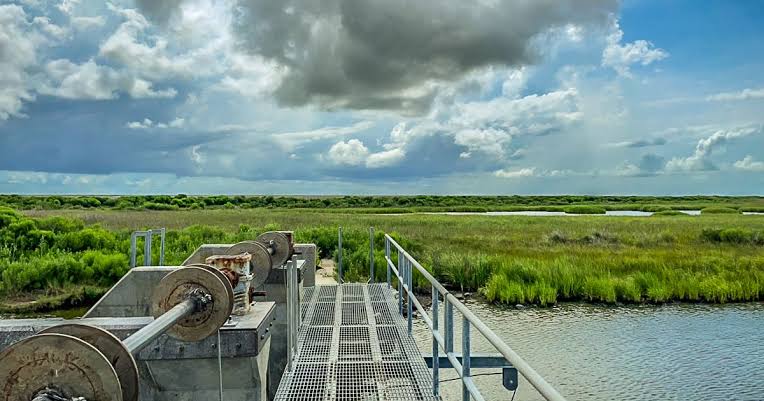
Wetlands can turn an otherwise routine development project into a permitting problem before excavation even begins. A parcel may look dry during part of the year yet still contain regulated wetlands or other aquatic resources. Developers should identify possible jurisdictional areas early, understand applicable federal, state, and local requirements, and confirm necessary approvals before disturbing soil.
Why Wetlands Can Affect Development Plans
Wetland regulation is tied to both the characteristics of the property and the activities being proposed. Filling, grading, road construction, utility installation, drainage work, and building pads may affect areas that require environmental review.
Under Section 404 of the Clean Water Act, permits may be required before certain discharges of dredged or fill material into waters of the United States, including wetlands. EPA explains that the program applies to activities ranging from development and infrastructure to certain water-resource projects. US EPA
Before relying on a site plan alone, developers may need qualified environmental professionals to identify wet areas, drainage features, vegetation, soils, and other conditions that can affect permitting.
Check the Site Before Finalizing the Design
Early investigation can reveal constraints while the project can still be redesigned without major disruption. Waiting until construction drawings are finished may leave fewer practical alternatives.
Environmental questions often sit beside zoning, contracts, financing, and other legal matters. People researching those broader issues may encounter legal industry resources while assembling information, but project-specific wetland decisions should be based on the responsible agencies and qualified advisers.
A preliminary review may lead to a formal wetland delineation or another site assessment. The exact process depends on the property, proposed work, jurisdiction, and agencies involved.
Build Permit Requirements Into the Schedule
Permitting should be treated as part of project planning rather than an administrative task saved for the end. Applications may require maps, engineering information, environmental studies, alternatives analysis, or responses to agency comments.
| Planning Issue | Possible Concern | Practical Response |
|---|---|---|
| Fill placement | Wetland disturbance | Confirm permit status |
| Access roads | Aquatic impacts | Review alternative routes |
| Drainage work | Changed water flow | Assess before construction |
| Site grading | Expanded disturbance | Match work to approvals |
Regional reporting can also help project teams understand the broader community in which development is occurring. A publication such as the Glasgow news platform may be part of someone’s general reading, although regulatory conclusions should come from the authorities responsible for the property.
Avoiding Impacts Can Be Easier Than Permitting Them
Changing a design early may reduce both environmental disturbance and regulatory complexity. Moving a building footprint, narrowing a crossing, preserving a buffer, or changing drainage infrastructure can sometimes keep construction away from sensitive areas.
EPA describes avoidance and minimization as important parts of Section 404 review before compensation for unavoidable impacts is considered. US EPA
Developers reviewing wider planning information may also browse regional publishing sources. Those sources can provide general context, but they should not be treated as substitutes for permit documents, agency correspondence, surveys, or legal advice.
Where Wetland Planning Often Goes Wrong
One common mistake is assuming that land outside a visible pond or marsh cannot be regulated. Seasonal conditions, altered landscapes, drainage patterns, soils, and vegetation can make that assumption unreliable.
Another mistake is beginning clearing or earthwork while a permit question remains unresolved. Once land has been disturbed, correcting a compliance issue can become more complicated than redesigning the project before construction.
When Professional Help Makes Sense
Consider obtaining environmental and legal guidance when wetland boundaries are disputed, multiple agencies may have authority, permits contain difficult conditions, or proposed work could disturb potentially regulated waters.
A qualified wetland consultant can address technical site questions, while an environmental attorney can explain applicable legal obligations. Agency guidance should also be checked because federal, state, tribal, and local requirements can differ.
Frequently Asked Questions
Can a property contain wetlands even if it looks dry?
Yes. Some wetlands are seasonal or may not contain standing water during a particular site visit. Vegetation, soils, hydrology, and other site characteristics may need to be evaluated before reaching a conclusion.
Does every project near a wetland require the same permit?
No. Requirements depend on the location, type of aquatic resource, proposed activity, extent of disturbance, and governing jurisdiction. Federal approval may be only one part of the process.
Should permits be checked before buying development land?
Environmental due diligence before acquisition can reveal constraints that affect usable acreage, design, schedule, and cost. The appropriate level of investigation depends on the property and intended development.
Resolve Constraints Before Breaking Ground
Wetland questions are cheapest to address while plans are still flexible. Identify potential aquatic resources, determine which agencies may have authority, and make permit requirements part of the design and construction schedule. Starting work first and investigating later can create avoidable compliance, financing, and redesign problems.
This article provides general legal information and is not a substitute for advice from a qualified attorney or environmental professional.