
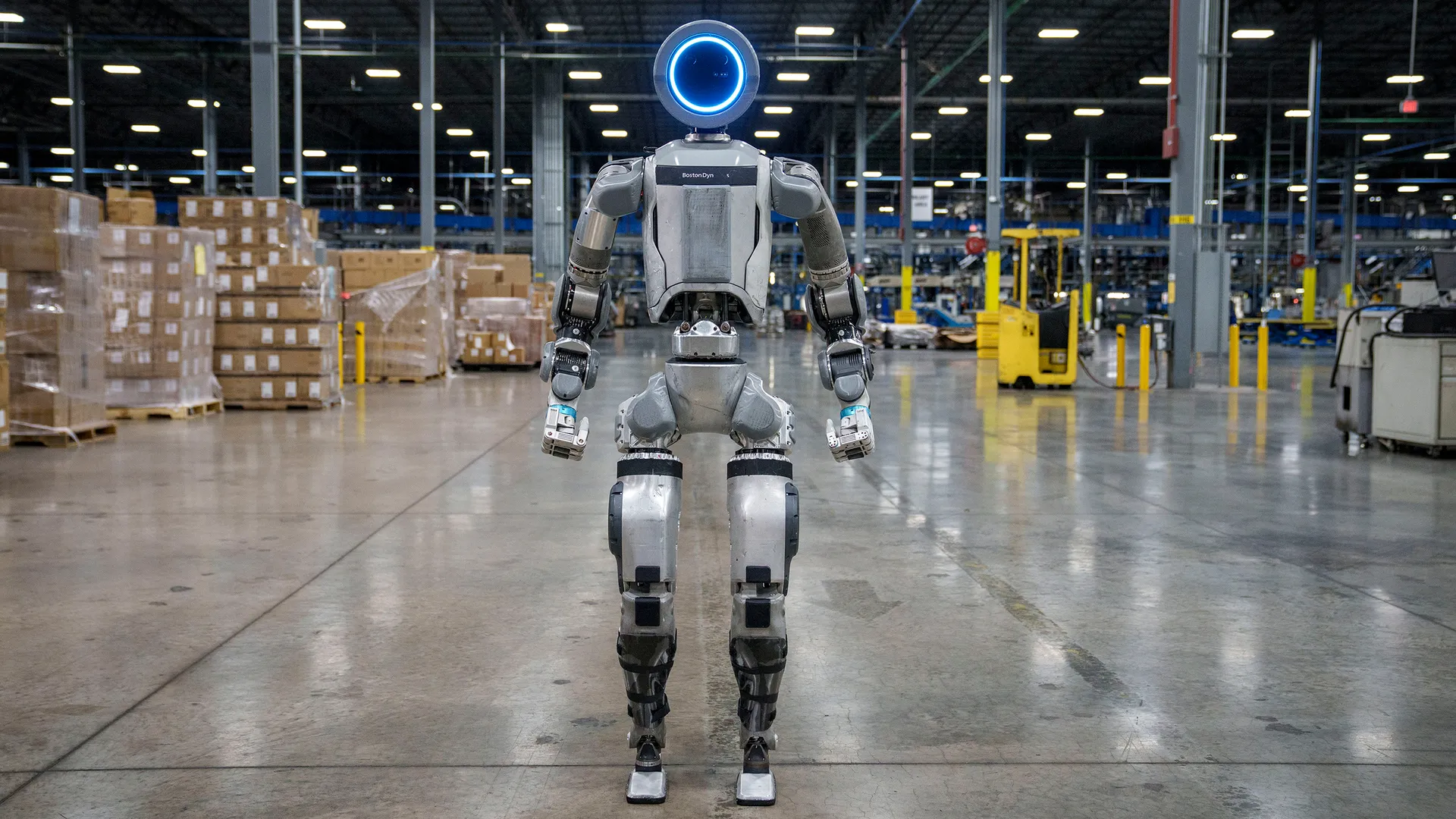
Problems with robotics setup are easier to solve when the symptom is described precisely. Unexpected motion, configuration mistakes, sensor errors, or control mismatches during commissioning can come from setup, environment, software, or unrealistic expectations about what the system is designed to do. The practical objective is to validate the robot and its safeguards before full-speed operation. Alongside manufacturer documentation, practical infrastructure insights can help readers build a wider technical frame of reference. Begin with the conditions you can control, then move toward more complex hardware or service explanations only if the basic checks do not help.
Five Platforms and Products Worth Understanding
A technology issue is often the result of two small weaknesses appearing together: a marginal physical setup plus an aggressive software setting, or a secure device attached to a weak account. Looking at several real platforms makes those dependencies easier to see. The examples below cover common approaches to robotics setup without pretending that one vendor is universally better for every user or organization.
1. Universal Robots
Universal Robots makes collaborative robot arms commonly used for flexible automation. Setup typically involves defining the work area, tooling, payload, and application logic, so a careful low-speed test cycle is a sensible way to catch direction or coordinate mistakes before production. Its role in the market illustrates how compare documented setup requirements before assuming every similar symptom has the same cause.
2. FANUC
FANUC supplies industrial robots, controllers, and automation systems across manufacturing. Commissioning work should verify the robot program, tooling, interlocks, and cell behavior together because a correct robot path can still be unsafe if surrounding equipment responds differently than expected. The product family is worth examining because compare documented setup requirements before assuming every similar symptom has the same cause.
3. ABB Robotics
ABB offers industrial and collaborative robots plus software for planning and programming. Simulated or offline programming can reduce commissioning time, but final testing must still be performed on the real system with the actual tooling, sensors, and safety devices. What matters here is not the brand name alone but how compare documented setup requirements before assuming every similar symptom has the same cause.
4. KUKA
KUKA robots are used in manufacturing and automation cells that may combine motion, external axes, and complex tooling. Initial tests should use controlled speeds and known reference positions so technicians can confirm orientation, limits, and peripheral behavior before increasing output. This platform is a useful reference because compare documented setup requirements before assuming every similar symptom has the same cause.
5. Yaskawa Motoman
Yaskawa Motoman provides industrial robotic arms and controllers for applications such as welding, handling, and assembly. Setup depends on accurate tool data, work coordinates, and sequence logic, making verification of one subsystem at a time more reliable than debugging an entire automated cycle at once. For this issue, the practical point is that compare documented setup requirements before assuming every similar symptom has the same cause.
What Should You Check Before Changing Anything?
A good decision process asks what can be measured before asking what can be replaced. Broader automation technology coverage can help frame the issue, while the actual fix should be tested against the product’s documented behavior. Commissioning should separate programming success from safety approval. Confirm emergency stops, guarding, interlocks, tool data, payload values, coordinate frames, and recovery procedures before routine operation. Run slow, supervised test cycles first and document every change so the team can trace unexpected behavior instead of guessing which adjustment caused it. Once the system is stable, avoid continuing to change settings merely because more options are available.
Frequently Asked Questions
Why should a robot be tested at reduced speed first?
Slow testing gives technicians more time to observe direction, clearance, tooling, and sequence behavior. It can reveal coordinate or programming mistakes before they become high-energy collisions or production damage.
Can simulation replace physical robot testing?
Simulation is useful for planning paths and cycle logic, but it cannot capture every real-world detail such as fixture tolerance, cable routing, sensor placement, tool flex, or peripheral timing. Physical validation is still necessary.
What should be checked after changing a robot tool?
Verify tool center point data, payload values, gripping behavior, clearances, program references, and any safety assumptions affected by the new tool. Then rerun controlled test cycles before returning to normal production.
A Practical Way Forward
Reliable robotics starts with deliberate commissioning. A robot that moves correctly once is not automatically ready for production. Validate controls, tooling, safeguards, and recovery behavior under controlled conditions, then increase speed only after the whole cell behaves predictably. Broader robotics and computing resources can add useful perspective when the issue connects to networks, software, or infrastructure. Keep the final decision tied to observed behavior and current manufacturer guidance rather than assumptions carried over from a different product.